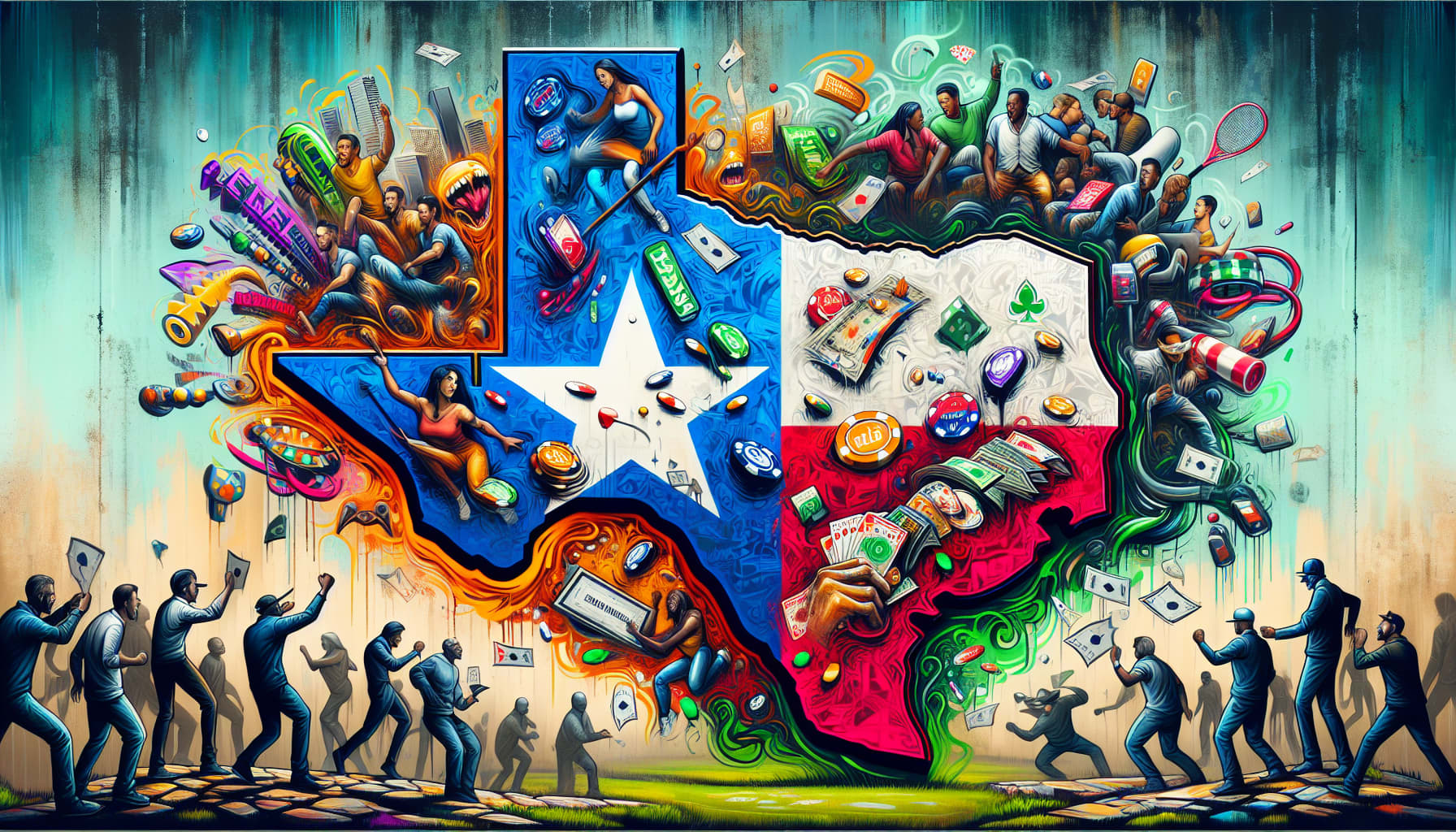
Texas, the second-largest state in the U.S. by population, presents a unique landscape when it comes to gambling. Limited to a few forms, including horse racetracks, Native American-operated casinos, and a state lottery, the longing for expansion is palpable among its residents and businesses. The momentum gathered in 2023, which saw a proposal for the legalization of Las Vegas-style casino gambling and sports betting clearing the House vote, sets the stage for a potential historical shift. Yet, the road ahead requires navigating the complex terrain of gaining support from the Senate and overcoming resistance from Republican lawmakers who have staunchly opposed gambling expansion.
Looking ahead to the 2025 legislative session, the lobbying machine is revving up, with significant voices in the industry keenly aware of Texas’s untapped potential. DraftKings, one of the leading betting companies in the U.S., is at the forefront, hiring a government affairs specialist to champion the cause for legalized sports betting. This strategic move highlights the intensified efforts by major players to sway legislative opinion in their favor. On top of DraftKings, other industry giants such as Las Vegas Sands, FanDuel, BetMGM, and Fanatics Sportsbook are gearing up to join the lobbying battle. The

Such a concerted effort, however, is bound to face significant hurdles. The Republican majority in Texas has consistently shown a disinclination towards expanding gambling options, leaving a slim margin for the passage of any such legislation. The transformative potential that legalized gambling holds for tax revenues is not lost on its proponents. States that have adopted broader gambling laws witness tens to hundreds of millions in additional tax revenues annually, a compelling argument the supporters are likely to leverage. The fiscal benefit to the state could manifest in numerous public projects and services, from education to infrastructure, making it a key talking point for those advocating change.
On a pragmatic note, the sports betting landscape is already familiar to many Texans, albeit through unlicensed operators or trips to neighboring states where the practice is legal. Louisiana, Arkansas, and New Mexico offer legal sports wagering, creating a spillover effect where Texans cross state lines to place their bets legally. The juxtaposition of Texas’s strict stance against a backdrop of nearby states with more liberal gambling laws only intensifies the debate. The Lone Star State stands at a gambling crossroads, and the coming legislative sessions will be pivotal in determining its path forward.

Share the knowledge!

Disclaimer: The content on "hustlenbet.com" is for entertainment purposes only and should not be taken as financial advice. Hustle N Bet LLC makes no representations or warranties that the information provided on the website will guarantee any outcomes or wins. Any strategies or information found on the website are used at your own risk and should not be relied upon for making financial decisions.