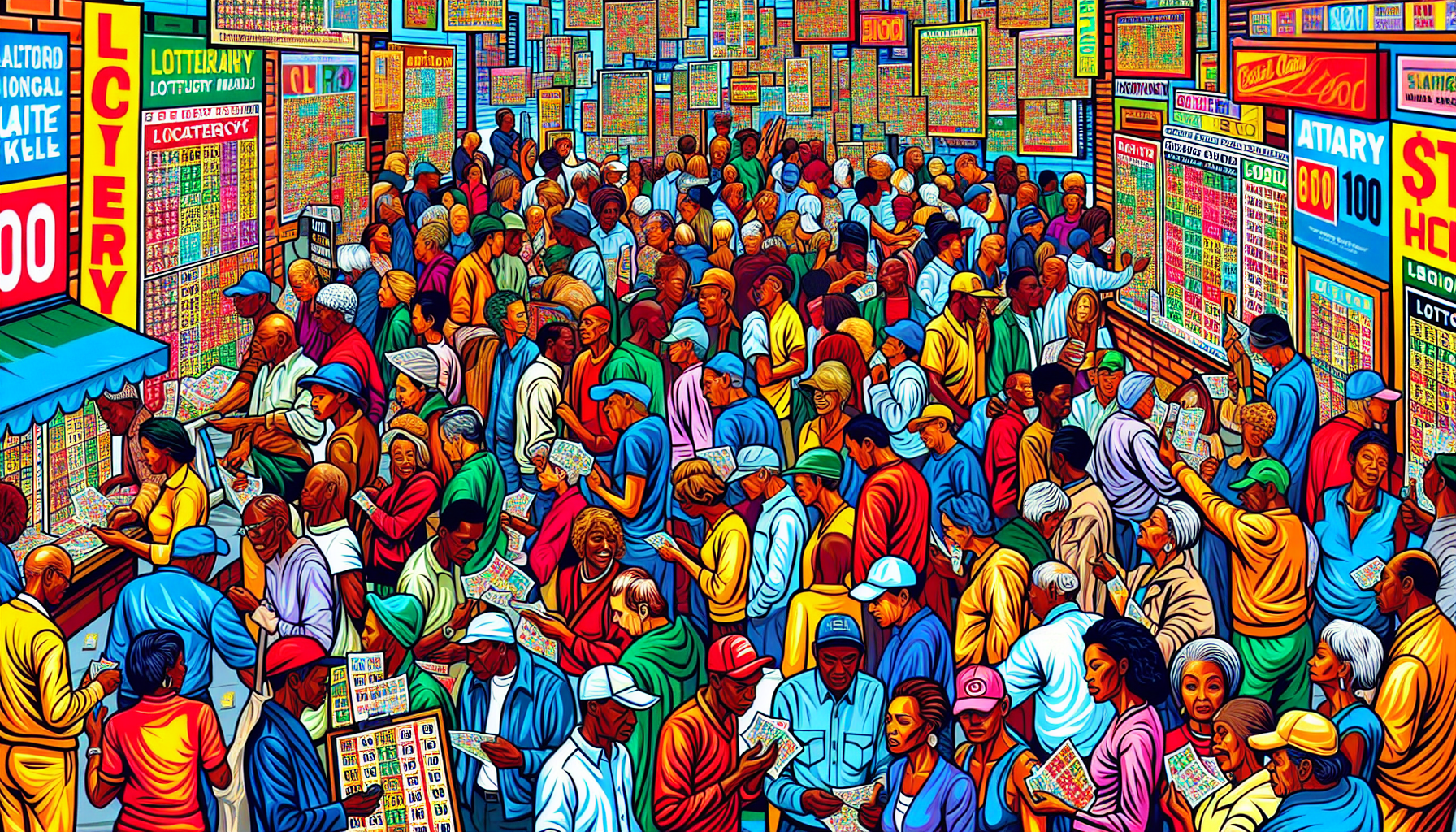
The Minnesota State Lottery, established in 1988, channels tens of millions of dollars into the state’s coffers each year. This revenue funds an array of programs, from parks and education to gambling addiction services. However, a recent Reformer analysis of sales data from retailers reveals a concerning trend: a disproportionate amount of this money comes from residents of low-income neighborhoods. This indicates that the lottery acts as a highly regressive tax on the working class, as people from these areas buy more tickets than their wealthier counterparts.
As the data indicates, in the wealthiest 5% of Minnesota zip codes, where the average household income is approximately $140,000, adults spend less than $100 per year on lottery tickets. Conversely, in the state’s poorest 5% of zip codes, with families earning an average of $45,000 annually, the expenditure on lottery tickets increases to around $150 per adult each year. The disparity grows even starker among the bottom quartile of zip codes, peaking at approximately $275 per adult. The results underscore a broader issue: lower-income communities bear a significantly heavier burden, making the lottery a regressive form of revenue generation.

A lottery spokesman has emphasized that purchasing lottery tickets is a matter of personal choice, stating that it is entirely voluntary. Nevertheless, the considerable difference in spending between income brackets illustrates a troubling pattern. The state’s efforts to work closely with responsible gambling partners aim to highlight the resources available for those who may require assistance, but the effectiveness of these initiatives in addressing the core issue remains debatable.
Similar assessments have been conducted on lottery expenditures in other states, yielding consistent results. The relationship between household income and lottery sales is clear: the lower the income, the higher the expenditure on lottery tickets. Adam Prock, the executive director of the Minnesota Lottery, maintains that money spent on lottery tickets supports not just potential winners’ dreams but also crucial state services and environmental projects. Despite this, understanding the implications of such spending habits necessitates a closer look at how the benefits and burdens of lottery participation are distributed across different socio-economic groups.
In Minnesota, over half of the adult population buys lottery tickets at least once a year, with some experiencing significant winnings. Data from a 2020 Department of Human Services report shows that about 3% of adults engage in lottery games weekly. Though lottery revenues have steadily doubled from the mid-2000s to today, this growth

Share the knowledge!

Disclaimer: The content on "hustlenbet.com" is for entertainment purposes only and should not be taken as financial advice. Hustle N Bet LLC makes no representations or warranties that the information provided on the website will guarantee any outcomes or wins. Any strategies or information found on the website are used at your own risk and should not be relied upon for making financial decisions.