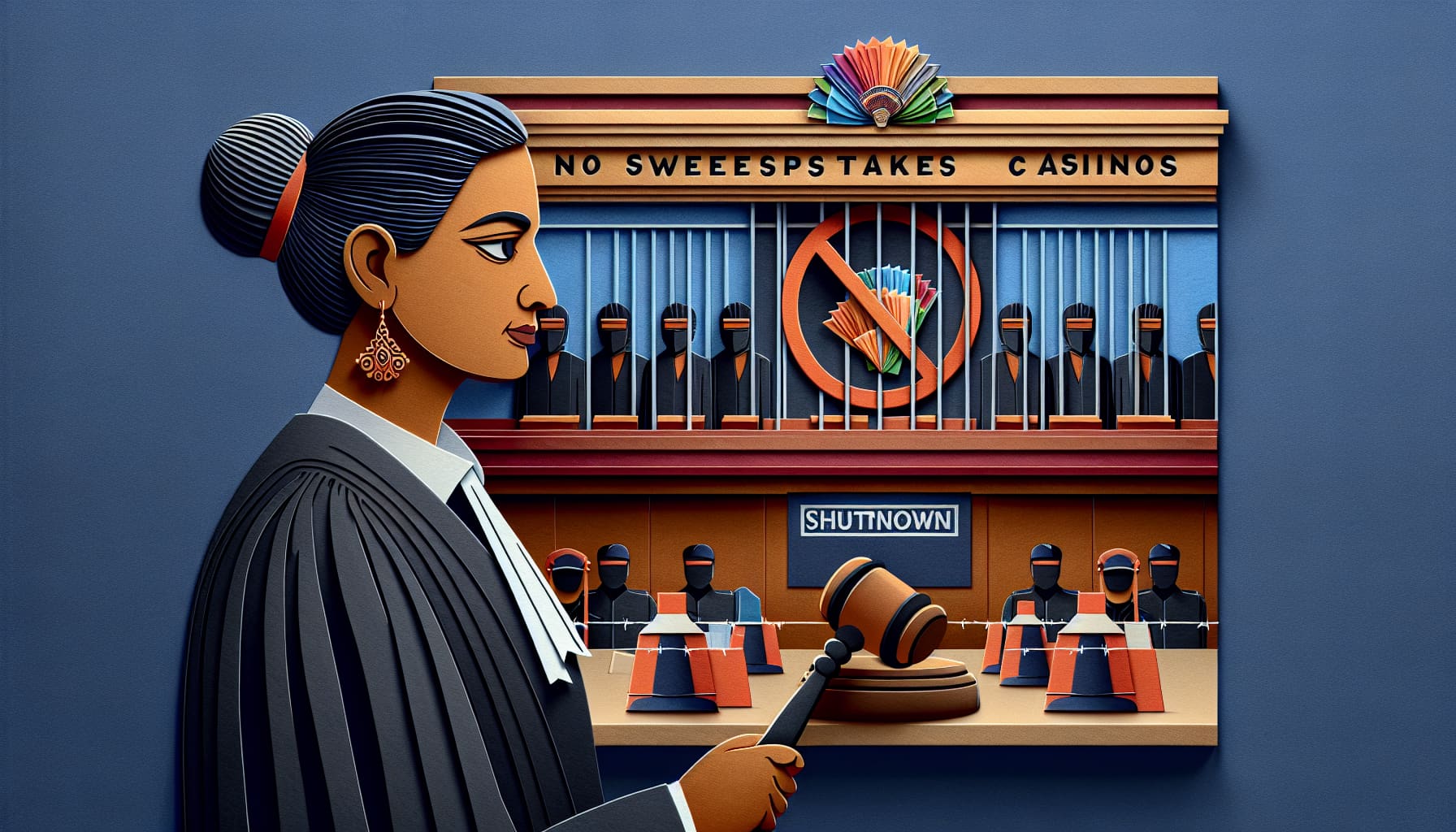
The realm of online gambling has witnessed a groundbreaking development as Montana became the very first state to impose an official ban on sweepstakes casinos. Just recently, Governor Greg Gianforte signed Senate Bill 555 into law, marking a significant stance in the national debate over online gaming. This legislation, which goes into effect on October 1, explicitly outlaws sweepstakes gambling models that have often operated in a gray area by letting users play with free coins while offering additional purchases through real money or cryptocurrency. Players would then redeem their winnings for cash or prizes, but the critics argued such sites operated like traditional online casinos without the necessary oversight.
The enactment of SB 555 ensures that any platform knowingly transmitting gambling information or facilitating bets, wagers, or payouts through any form of currency will face stringent consequences. Non-compliance could result in felony charges, a hefty fine of up to $50,000, and up to a decade in prison for each violation. This legislation has already triggered significant industry response, with Virtual Gaming Worlds, known for Chumba Casino and Luckyland Slots, withdrawing from Montana’s market. While the Social and Promotional Games Association (SPGA) has condemned the bill, citing potential dangers to consumer trust and business innovation, Montana’s decisive move

Sweeping changes in legislation like Montana’s SB 555 highlight the tense balancing act many states face in regulating online gambling. This move sets a significant precedent, likely to spark increased legislative scrutiny in other states. While Montana has drawn a clear line in the sand, debates about the legality and ethics of such gaming models rage on. Critics argue that broad bans could stifle innovation and disrupt long-standing legal promotional practices, while proponents maintain that strict regulations are necessary to protect consumers and maintain the integrity of the gambling industry.
As this conversation unfolds nationwide, states like Louisiana, with Senator Adam Bass’s SB 181, are already exploring more comprehensive definitions of illegal gambling, particularly focusing on dual-currency systems. States such as Mississippi, Florida, Arkansas, and Maryland have attempted bans but faced varying degrees of resistance and failure. However, the persistent conversation around these regulations continues in other regions, notably Connecticut, Ohio, New Jersey, and New York. Montana’s recent decision might very well act as a catalyst for these regions to adopt more rigorous scrutiny and legislative action in response to the surge of online gambling.
Montana’s pioneering ban on sweepstakes gambling stands as a landmark decision, underscoring the broader trend towards stringent regulation of online gaming platforms. This movement aims

Share the knowledge!

Disclaimer: The content on "hustlenbet.com" is for entertainment purposes only and should not be taken as financial advice. Hustle N Bet LLC makes no representations or warranties that the information provided on the website will guarantee any outcomes or wins. Any strategies or information found on the website are used at your own risk and should not be relied upon for making financial decisions.