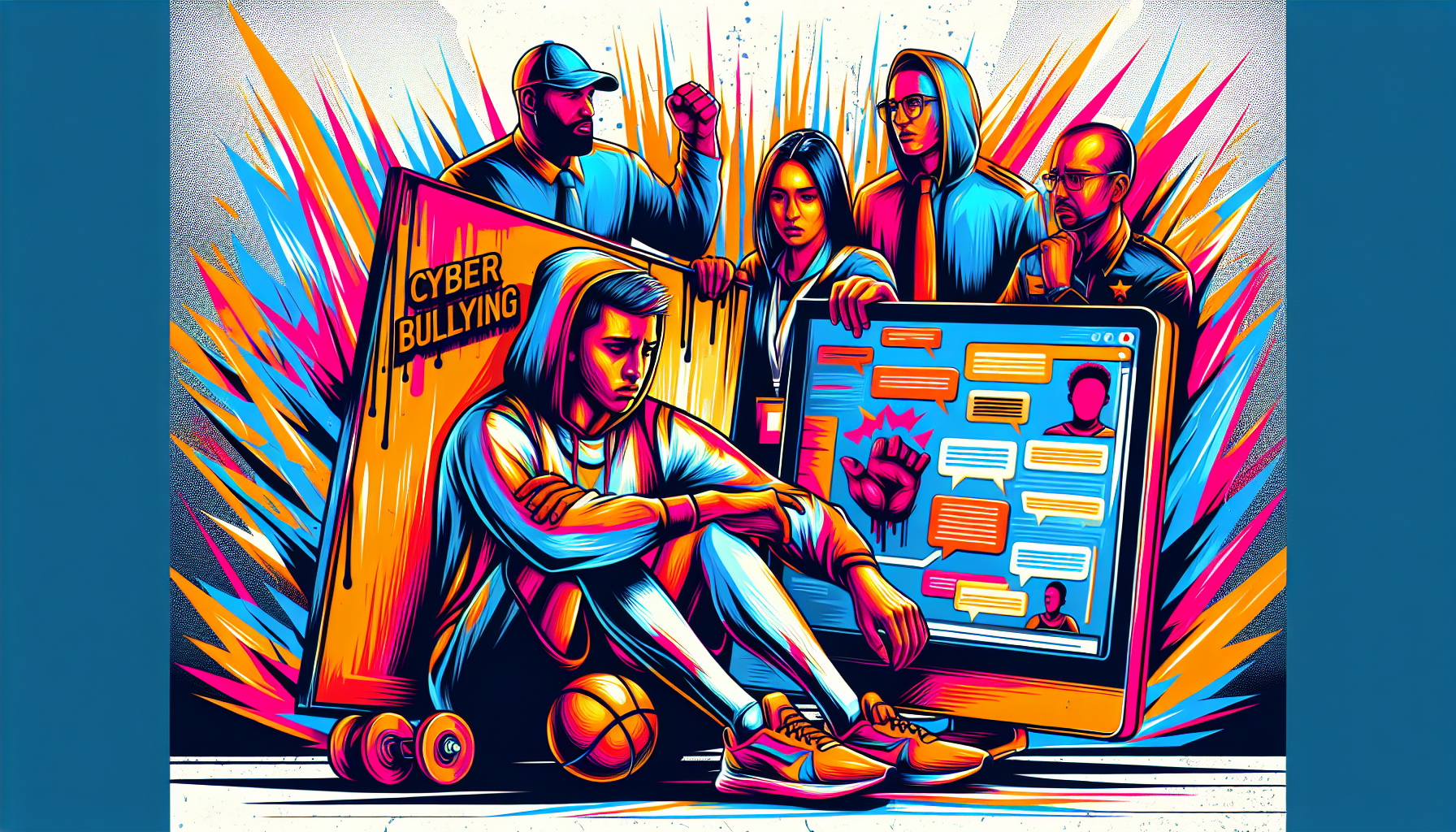
The recent NCAA survey has highlighted a concerning issue plaguing college basketball – the harassment and abuse directed at athletes by sports bettors. With women’s basketball players experiencing a disproportionate share of this vitriol, receiving an average of three times more threatening or abusive messages than their male counterparts, it’s clear that a troubling dynamic is at play. The study reveals that one in every three prominent college athletes in major sporting activities faces harassment, often because of their perceived impact on gambling outcomes.
The problem has only worsened with the widespread legalization of sports betting, leading to a surge in abuse for games with strong betting markets. Shockingly, 90% of this harassment occurs online, primarily through social media platforms, while 15-25% is directly related to betting. During the NCAA’s March Madness, an investigation into the online interactions around the event flagged over 54,000 posts and comments as potentially abusive, with 4,000 confirmed as threatening. The severity of the issue is underscored by instances where these threats escalated to the point of involving law enforcement.
The abuse isn’t limited to the athletes themselves – game officials, administrators, and other sports event employees are also targeted. Cleveland Cavaliers Head Coach JB Bickerstaff recounted his own

The problem has only worsened with the widespread legalization of sports betting, leading to a surge in abuse for games with strong betting markets. Shockingly, 90% of this harassment occurs online, primarily through social media platforms, while 15-25% is directly related to betting. During the NCAA’s March Madness, an investigation into the online interactions around the event flagged over 54,000 posts and comments as potentially abusive, with 4,000 confirmed as threatening. The severity of the issue is underscored by instances where these threats escalated to the point of involving law enforcement.
The abuse isn’t limited to the athletes themselves – game officials, administrators, and other sports event employees are also targeted. Cleveland Cavaliers Head Coach JB Bickerstaff recounted his own experience where gamblers, upset by his coaching decisions, went as far as obtaining his personal contact information to send threatening messages. Similarly, Dayton’s Men’s Basketball Head Coach Anthony Grant revealed instances where his players and their families received hate mail from disgruntled bettors.
In response to such challenges, states like Ohio have taken proactive measures to curb this trend. Legislation has empowered state commissions to ban individuals who threaten athletes. Ohio Gov. Mike DeWine, in collaboration with the NCAA

Share the knowledge!

Disclaimer: The content on "hustlenbet.com" is for entertainment purposes only and should not be taken as financial advice. Hustle N Bet LLC makes no representations or warranties that the information provided on the website will guarantee any outcomes or wins. Any strategies or information found on the website are used at your own risk and should not be relied upon for making financial decisions.