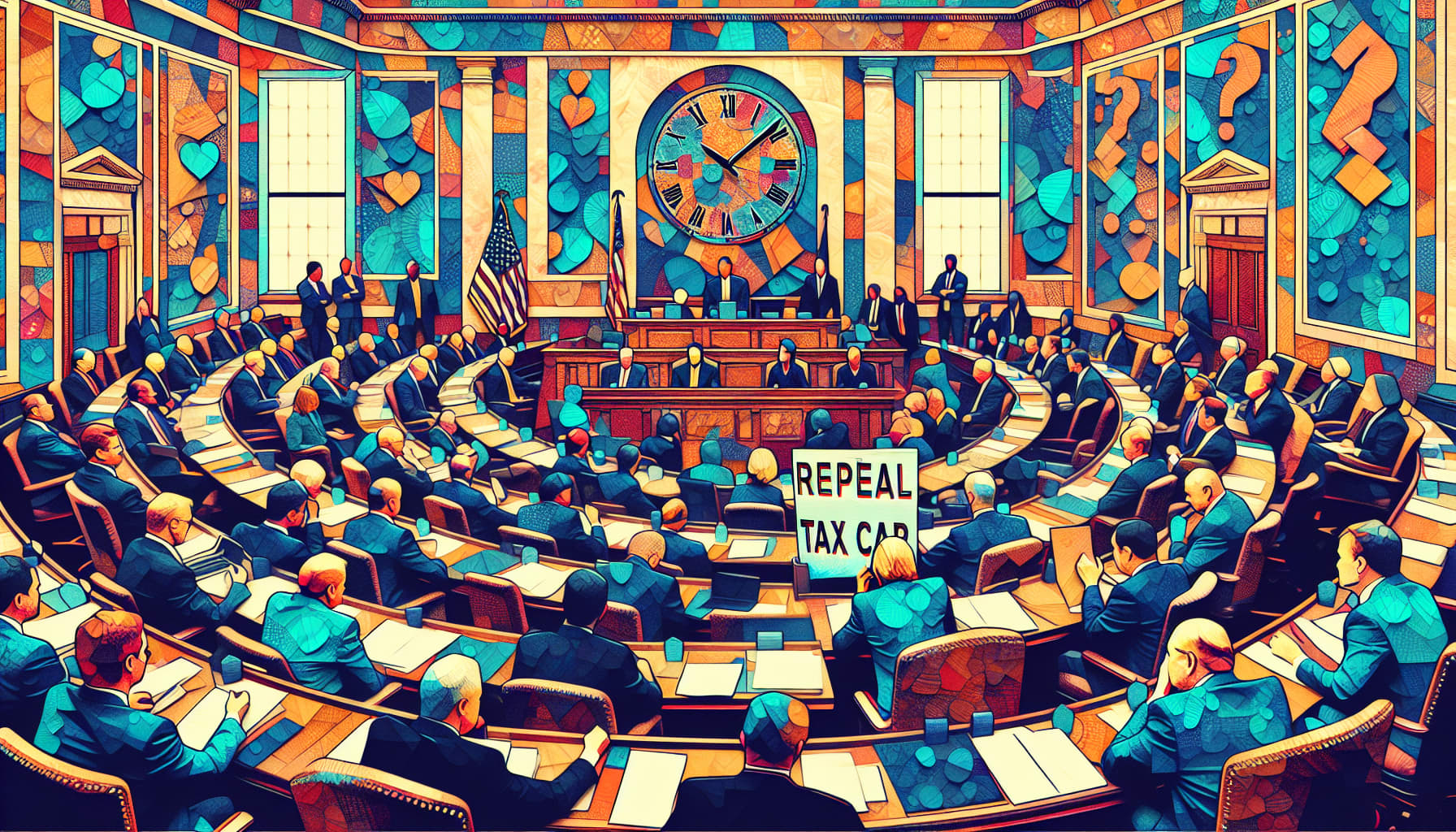
Politicians returned to Washington, DC this week with several unresolved issues hanging in the balance, and a notable bill concerning how to tax gambling losses remains unsettled. The proposal, seeking to reinstate full tax deductions for gambling losses, enjoys bipartisan support within both the House and Senate. However, as the legislative year-end deadline looms, progress on this front remains sluggish.
The initiative for restoring the full deduction originated in response to a provision embedded in this year’s colossal One Big Beautiful Bill, which imposes a 90% limit on deduction opportunities starting in 2025. Under the new rule, individuals who itemize won’t be able to fully offset their gambling wins with their losses, potentially leading avid bettors to pay taxes on income they technically never netted. Lawmakers and experts alike predict that this change could result in significant tax liabilities for gamblers without proportional gains.
Prominent political figures such as Dina Titus from Nevada and Andy Barr from Kentucky have introduced bills in the House to counteract this deduction cap, paralleled by a similar yet stagnant bill in the Senate. Despite endorsements from key committee leaders, no voting dates have been scheduled. The recent prolonged government shutdown earlier this fall further impeded legislative momentum, and insiders now caution that conflicting year-end deadlines leave

The gaming industry stands precariously at a crossroads with the potential tax changes, especially as companies like FanDuel and DraftKings venture into new prediction markets governed by different tax regulations. This shift is expected to divert some customers from traditional sports betting to these new platforms, exacerbating the financial blow from the deduction cap. Increased support from lawmakers has emerged, with some confessing their initial unawareness of the deduction change while voting for the broader bill. Although they now lean towards rectifying the oversight, legislative hurdles persist. Previous attempts to integrate the correction into more extensive bills like the annual defense spending bill have already encountered roadblocks this year.
Should lawmakers fail to act before adjournment, the impending rules will take effect as planned. Financial analysts caution that the resulting tax burden on frequent gamblers could lead to billions less in economic activity for casinos, sportsbooks, and ancillary industries by 2025. This scenario underscores the urgent need for legislative resolution to prevent a potential downturn in the betting industry’s revenue and stability. As the clock ticks towards the year-end deadline, the fate of full betting deductions hangs in a delicate balance, with significant implications for the future of gambling taxation and the economic health of the gaming sector.

Share the knowledge!

Disclaimer: The content on "hustlenbet.com" is for entertainment purposes only and should not be taken as financial advice. Hustle N Bet LLC makes no representations or warranties that the information provided on the website will guarantee any outcomes or wins. Any strategies or information found on the website are used at your own risk and should not be relied upon for making financial decisions.