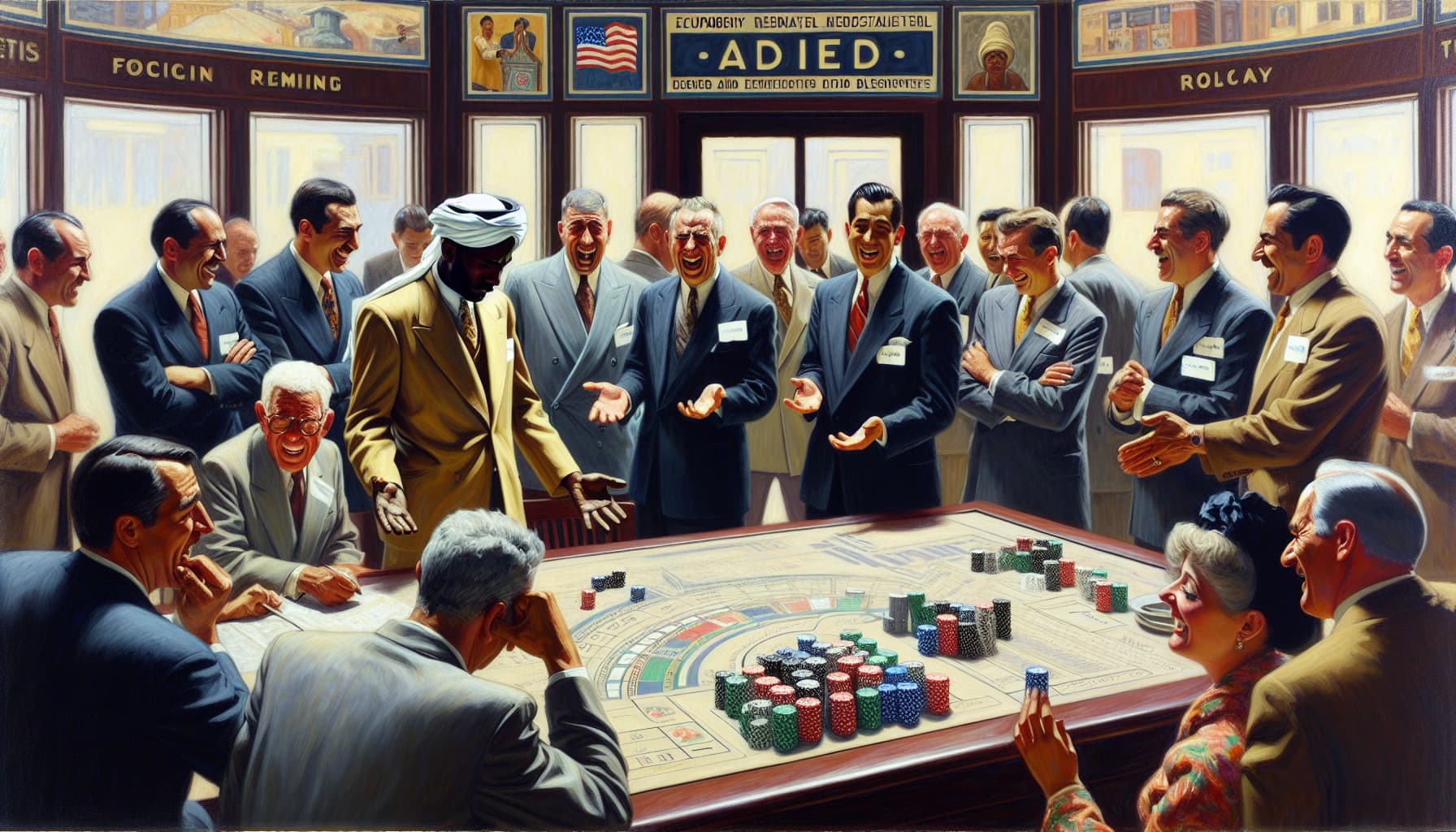
The race for one of the three coveted downstate New York casino licenses has seen a significant shake-up. Hudson’s Bay Company, the owner of the famed Saks Fifth Avenue in Midtown Manhattan, has officially stepped out of the competition. This surprising development comes after the company initially laid out ambitious plans to transform the top three floors of their iconic department store into a sprawling 200,000 square foot casino. Unlike other contenders, such as Empire City and Resorts World, Hudson’s Bay favored a redevelopment approach, boasting that their casino could be operational within a year. However, mounting opposition from local community boards and the complexities involved in altering a building known for its historic heritage have seemingly led to the company re-evaluating its position.
Erin Celentano, a spokesperson for Hudson’s Bay, confirmed the company’s withdrawal in a recent statement. “At this time, the company is no longer pursuing a downstate New York gaming license and is focused on other strategic priorities,” Celentano revealed. This decision narrows the field to ten remaining bidders, all vying for the three available licenses. While no concrete reasons were provided for the withdrawal, it’s evident that the significant investment required – a minimum of $500 million plus license fees – coupled with local

Now, as the competition narrows, the focus shifts to the investments and community benefits that each remaining bidder brings to the table. Prospective operators are not just battling over the casino licenses but also pitching transformative projects aimed at bolstering local economies and enhancing infrastructure. This level of investment and commitment to community improvement appears to be a pivotal factor in the decision-making process. The potential for job creation, increased tourism, and infrastructural advancements are all being weighed heavily by decision-makers. Indeed, this holistic approach to casino development indicates that the benefits should extend well beyond the confines of the gaming tables, aiming to foster positive socioeconomic impacts in the surrounding neighborhoods.
Additionally, the remaining bidders must navigate the complex regulatory landscape and the expectations set by the licensing authorities. The competition isn’t merely about who can construct the flashiest gaming floors but about creating sustainable models that interlace seamlessly with existing urban fabrics and community needs. This nuanced perspective underlines the importance of thoughtful urban planning and responsible gambling initiatives, as these casinos will become substantial elements in the urban and social landscape of downstate New York. The stakes, both financial and ethical, are sky-high, and the chosen operators will need to demonstrate a comprehensive vision that balances commercial success with community welfare.
As we edge closer

Share the knowledge!

Disclaimer: The content on "hustlenbet.com" is for entertainment purposes only and should not be taken as financial advice. Hustle N Bet LLC makes no representations or warranties that the information provided on the website will guarantee any outcomes or wins. Any strategies or information found on the website are used at your own risk and should not be relied upon for making financial decisions.