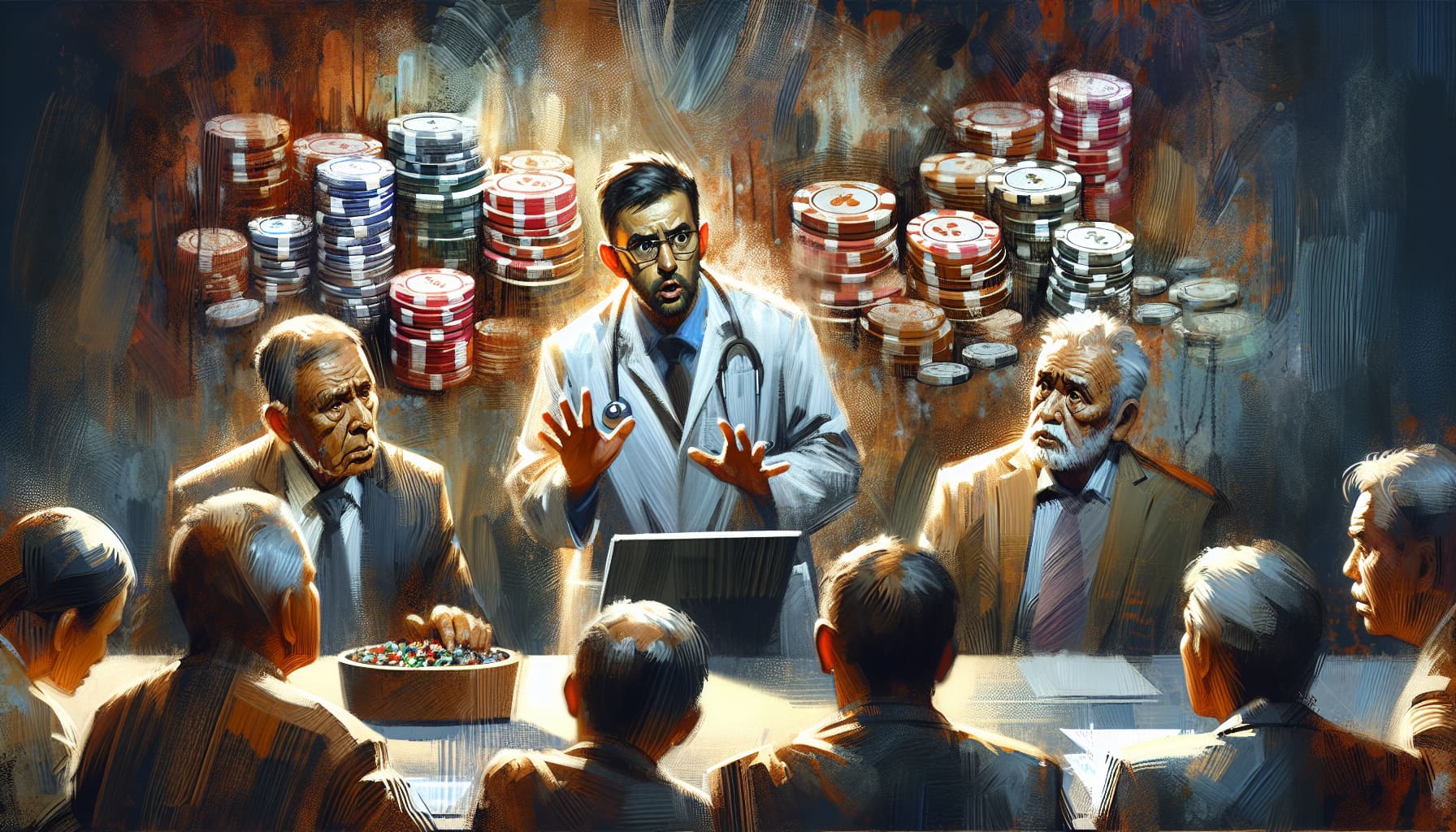
Gambling addiction has emerged as a significant concern in Maryland, with a recent University of Maryland study highlighting a surge in gambling-related harm. The study, spearheaded by the Maryland Center of Excellence on Problem Gambling at the University of Maryland School of Medicine, indicates that the proliferation of online sports gambling legalized in 2022 has contributed to this increase. The data reveal a rise in the percentage of Marylanders suffering from gambling disorders, jumping from 4% pre-legalization to 5.7% in the present day. This unsettling trend was drawn from a robust sample size of 3,600 respondents queried about their gambling habits, providing a detailed landscape of the state’s current gambling crisis.
Dr. Christopher Welsh, leading the research, states that gambling addiction is on par with substance and alcohol abuse in terms of severity. The compulsivity and harmful outcomes associated with gambling can lead to devastating personal and social consequences, including financial ruin and strained relationships. These behaviors are rooted in physiological factors, with addicted individuals’ brain functions mirroring those hooked on more traditional substances. Welsh emphasizes that the ramifications of gambling addiction can even extend to higher suicide rates compared to other addictions, underscoring the gravity of the situation.

While there is a growing concern about the increase in gambling disorders, some argue that legalization may, in fact, be beneficial in the long run. With regulated gambling, individuals who need help are more likely to come forward and be identified. This visibility can lead to more effective strategies for tackling addiction and providing support. Proponents of this view suggest that better regulation and monitoring could offer a safety net for those at risk, guiding them towards the help they need. The transparency brought by the legal market could be a pivotal factor in addressing and mitigating the problem, rather than exacerbating it.
Ultimately, as states continue to embrace legalized gambling, the focus should remain on ensuring robust support systems and preventive measures are in place. Education on responsible gambling should be disseminated widely, and resources for those struggling with addiction must be accessible and well-publicized. As the landscape of gambling continues to evolve, striking a balance between entertainment and public health will be crucial. The findings from the University of Maryland serve as a timely reminder of the ongoing challenges and the need for a proactive approach in addressing gambling disorders within our communities.

Share the knowledge!

Disclaimer: The content on "hustlenbet.com" is for entertainment purposes only and should not be taken as financial advice. Hustle N Bet LLC makes no representations or warranties that the information provided on the website will guarantee any outcomes or wins. Any strategies or information found on the website are used at your own risk and should not be relied upon for making financial decisions.