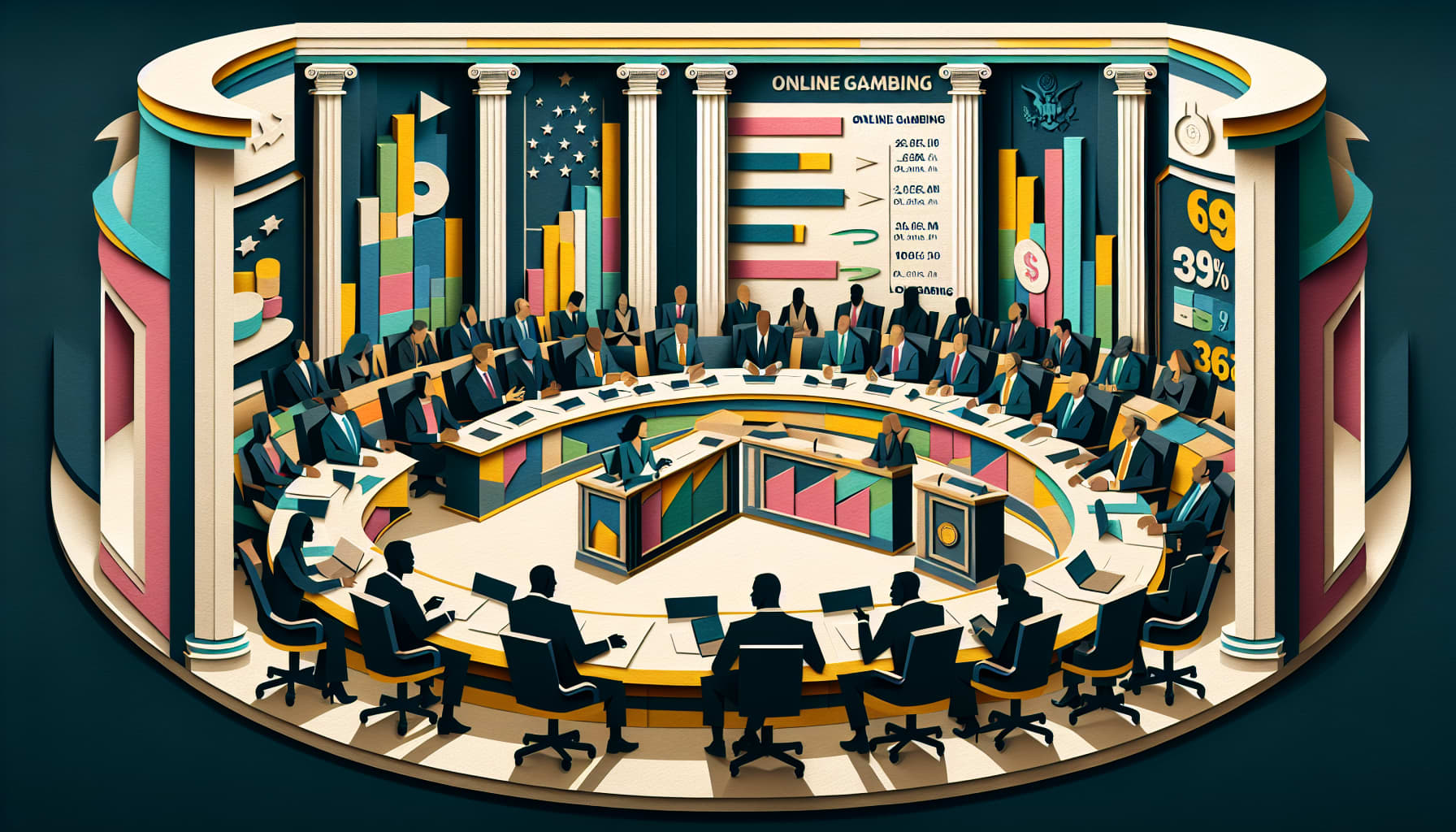
Virginia lawmakers are again shining the spotlight on the potential legalization of online casinos, igniting discussions that could have substantial economic and social implications. Often referred to as iGaming, online casinos represent both a lucrative opportunity and a complex regulatory challenge. The recent focus on this issue arose during an August 19 meeting involving the Joint Subcommittee, which is considering the establishment of the Virginia Gaming Commission. This new agency would oversee all gambling activities in the state, adding a layer of oversight that many proponents argue is long overdue.
Advocates of legal iGaming believe that Virginia stands to gain significantly from a regulated online casino market. Democrat Marcus Simon from Fairfax pointed out that the state could potentially generate over $5 billion in taxable revenue within five years if iGaming is legalized. Simon underscored the importance of redirecting players from offshore, unregulated platforms to state-sanctioned sites, which would offer safer, more secure options for gamblers. Simon’s draft proposal outlines a model where licensed casinos partner with online operators, combining local accountability with technological innovation. This collaboration aims to not only generate revenue but also fund regulatory structures and problem gambling programs.
However, the conversation is not without its detractors. Public health experts like Keith Whyte of Safer Gambling Strategies caution

Advocates of legal iGaming believe that Virginia stands to gain significantly from a regulated online casino market. Democrat Marcus Simon from Fairfax pointed out that the state could potentially generate over $5 billion in taxable revenue within five years if iGaming is legalized. Simon underscored the importance of redirecting players from offshore, unregulated platforms to state-sanctioned sites, which would offer safer, more secure options for gamblers. Simon’s draft proposal outlines a model where licensed casinos partner with online operators, combining local accountability with technological innovation. This collaboration aims to not only generate revenue but also fund regulatory structures and problem gambling programs.
However, the conversation is not without its detractors. Public health experts like Keith Whyte of Safer Gambling Strategies caution that online gambling carries higher addiction risks, particularly among young men. Drawing parallels with New Jersey, where online platforms incorporate user-friendly tools like deposit limits and self-regulating dashboards, Whyte emphasizes the need for robust safeguards. Mental health advisor Brianne Doura-Schawohl echoes these sentiments, warning that the legalization process must prioritize prevention measures to avert exacerbating gambling-related issues.
On the industry side, opinions remain diverse. Dave Rebuck, the former head of New Jersey’s Division of Gaming Enforcement, highlighted the

Share the knowledge!

Disclaimer: The content on "hustlenbet.com" is for entertainment purposes only and should not be taken as financial advice. Hustle N Bet LLC makes no representations or warranties that the information provided on the website will guarantee any outcomes or wins. Any strategies or information found on the website are used at your own risk and should not be relied upon for making financial decisions.